A Shared Table or a Quiet Corner? Choosing How to Eat Alone While Travelling
Choosing how to eat alone while travelling helps you match dinner to your appetite and energy, with practical ways to enjoy company or quiet.

The common mistake when choosing how to eat alone while travelling is treating dinner as a test of confidence. You might take the last seat at a lively communal table because it seems like the bold choice, then struggle to enjoy your food. A better decision starts with what you want from this meal: a conversation, a change of scene or a calm place to eat.
Your preference can shift over the course of a trip. A neighbourhood restaurant may sound appealing after a restful afternoon, while a bakery sandwich in a quiet square may suit an evening after a long day. Neither choice says anything about how adventurous you are; each simply shapes the meal you have.
What kind of meal suits you tonight?
Before choosing a venue, check your appetite, energy and interest in company. If you are hungry and tired, a quick meal may be kinder than a slow dinner. If you want to hear the room without joining in, a counter seat can offer a middle ground.
Use these checks to decide what to do next:
- Check your energy: If you feel alert and curious, try a shared table; if you feel drained, choose a quieter restaurant or takeaway instead.
- Check your appetite: If you want a leisurely meal, look for a place with table service; if you need food soon, choose a bakery, market stall or casual café instead.
- Check your wish for conversation: If you would welcome a chat, ask whether communal seating is available; if not, choose a counter or small table instead.
- Check the room’s noise: If you can hear the person beside you comfortably, stay if the atmosphere suits you; if the noise feels tiring, ask to move or take your order away.
- Check your schedule: If you can linger, a restaurant may fit; if you need to leave promptly, choose a place where you can order and pay without a long wait instead.
- Check where you can eat comfortably: If a courtyard or garden permits food and has a suitable seat, take your meal there; if not, choose a café or another welcoming public place instead.
These are practical prompts, not rules. You might want company but dislike a loud room, or want solitude without eating in your accommodation. Match the social setting to your appetite for interaction, rather than assuming one kind of venue will suit every evening.
How can you vary meals over a trip?
Think about the kinds of places available rather than setting yourself a dining challenge. After arriving, a familiar café or simple takeaway can be an easy start. Once you have settled in, a food hall, restaurant counter or shared dining room may appeal if you are curious about the local menu.
Say you have walked all afternoon, feel hungry, and have little energy for conversation. You notice a noodle shop with takeaway and a public courtyard where eating is allowed. You buy a bowl, choose a quiet bench and eat there; the result is a filling meal outdoors without needing to sustain a conversation. If you are still tired afterwards, you can go back to your accommodation; if you feel more sociable another evening, you can try the dining room instead.
A day’s plans can change, too. If a museum visit runs late, a market stall might suit you better than a booked dinner. If you find yourself lingering over a menu and the room feels welcoming, you can stay for a longer meal. Treat the evening’s conditions as useful information, not as a schedule you have to obey.
How do you make a shared table comfortable?
Look at how the seating works before you commit. A long communal table may invite conversation, while a counter facing the kitchen can let you enjoy the activity without needing to talk. If the arrangement is unclear, ask the host whether a separate seat is available.
You do not need an opening line prepared. If you feel like chatting, a simple question about a dish or the menu can start a conversation. If the other person gives a short answer, return to your meal; if you both seem interested, keep talking for as long as it feels pleasant.
For a venue with a booking or set menu, check the seating arrangement and timing before you arrive. Sharing a table does not require personal disclosure, and you can leave when you have finished eating.
When is a quiet meal the better choice?
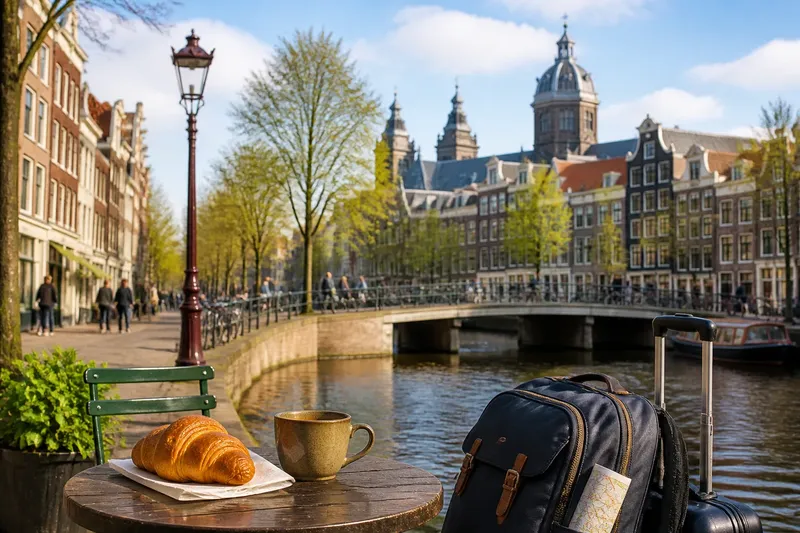
Quiet does not have to mean isolated. A small table lets you read or watch the street; a bakery, market stall or noodle shop can provide a relaxed meal without the formality of a restaurant. Takeaway can work well, too, if you have somewhere comfortable to sit.
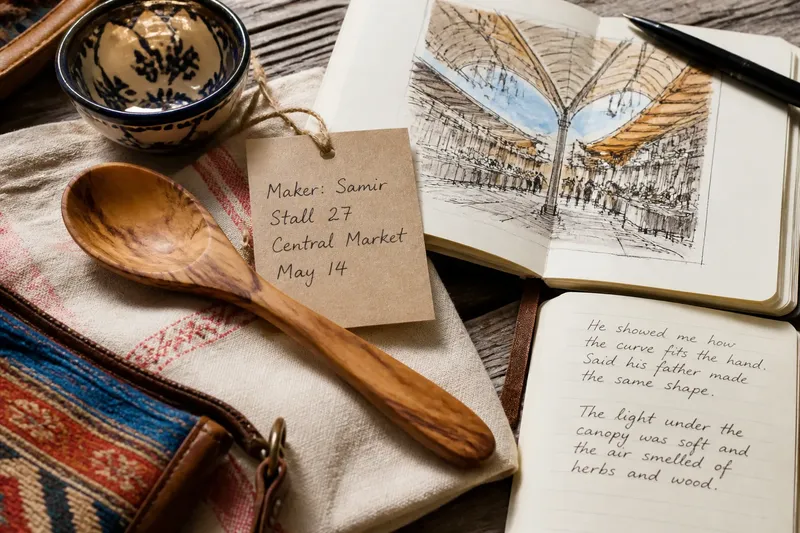
Try a public garden bench, a station café window or a table facing the street rather than a screen. Check that the space welcomes people eating there and that you have a comfortable place to sit. A book, sketchbook or paper map can keep your hands occupied, but put it away if you would rather watch the neighbourhood.
What if your preference changes after you sit down?
What sounded right before dinner may feel different once you are there. If the room is too loud, ask politely whether another seat is free or whether you can take your order away. If a quiet meal begins to feel lonely, move to a counter for tea or dessert, where a brief exchange may be enough company.
Choose a simple way to leave before you settle in. You can finish your food, thank the host and go without explaining why. If you prefer not to feel tied to a long meal, choose a casual venue where you can pay when you are ready.
Which solo dining options fit these situations?
Is communal dining a good choice for a first solo dinner?
It can suit you if the venue regularly seats guests together and you are curious about the experience. If the room feels crowded or you are tired, choose a counter seat or café instead.
How can I feel less conspicuous eating alone?
Choose a seat that fits what you want to do: a window for watching the street, a counter for seeing the kitchen, or a small table for reading. You do not need to invent a reason for dining alone.
What if I want company but not a long conversation?
A food hall or market café lets you be among people while attention stays on ordering and eating. If a brief chat feels welcome, ask a simple question about the menu; if it does not, you can return to your meal.
Is takeaway a poor substitute for a restaurant meal?
No. It can suit a tired evening or a late arrival, especially if you find a comfortable place where eating is permitted. A takeaway offers a different setting, not a lesser kind of meal.
How can you choose without making dinner a chore?
Notice which dining options are nearby: perhaps a bakery, casual restaurant, market or place with communal seating. You do not need to plan every evening. Knowing what is available can make the decision easier when hunger arrives and you have less energy to weigh options.
Decide close to mealtime, when you have a clearer sense of your mood and schedule. After dinner, remember one useful detail for tomorrow: perhaps the counter was quieter than expected, or the market closed before you arrived. Choosing how to eat alone while travelling becomes easier when the next decision draws on the actual place, time and energy you have—not on an idea of how a solo traveller ought to behave.